
MOMENT OF CLARITY
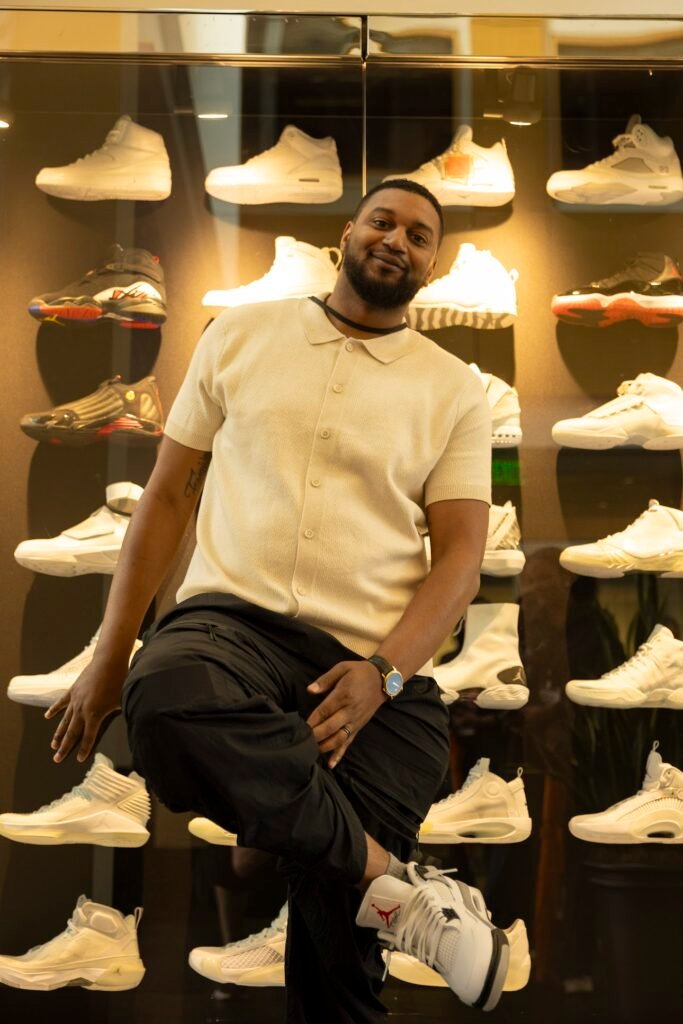
I still have this photo saved in my phone – I first posted it in December 2021. Taken in my apartment while living in DC, it’s not particularly special at first glance. I’m sitting on my floor with a journal in my hand. Behind me is a whiteboard and if you look closely enough, you’ll notice a quote from Jaÿ-Z’s Moment of Clarity written in the background. At the time, it was just another photo, but looking back, it feels like a roadmap.
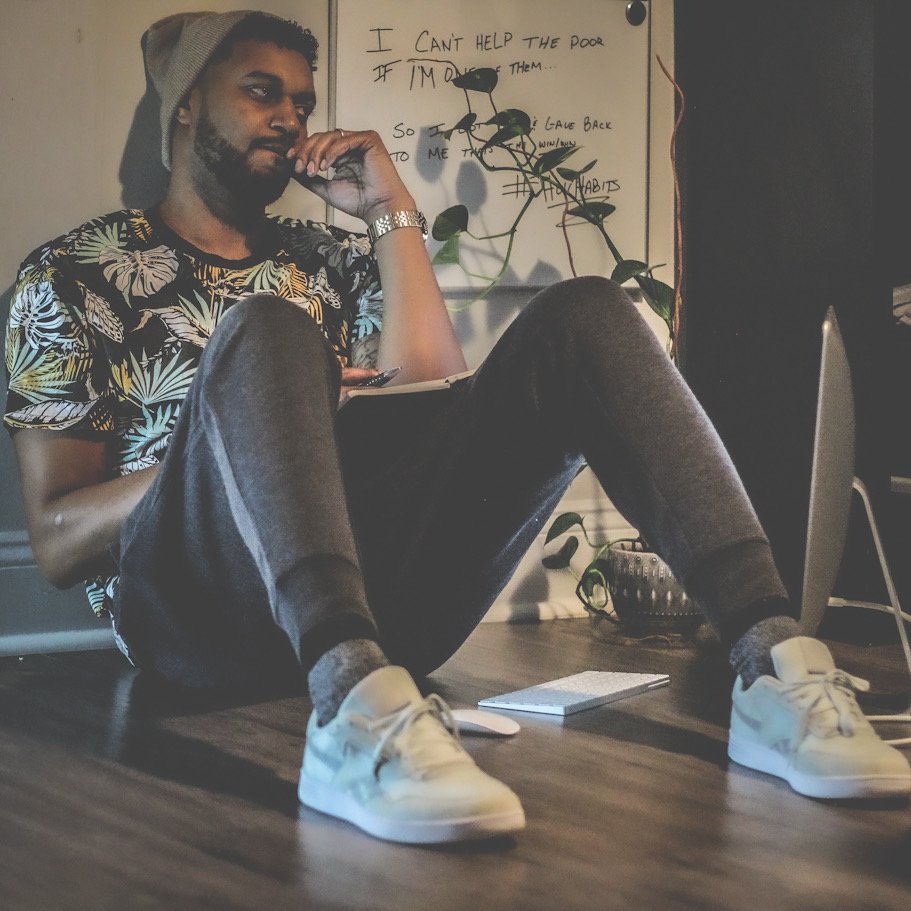
Sports. Storytelling. Community.
I didn’t realize it then, but every major decision in my life had been pulling me toward those three lanes. The photo just happened to capture them all in the same frame. The ironic thing is, the search started long before this photo, back in November of 2003.
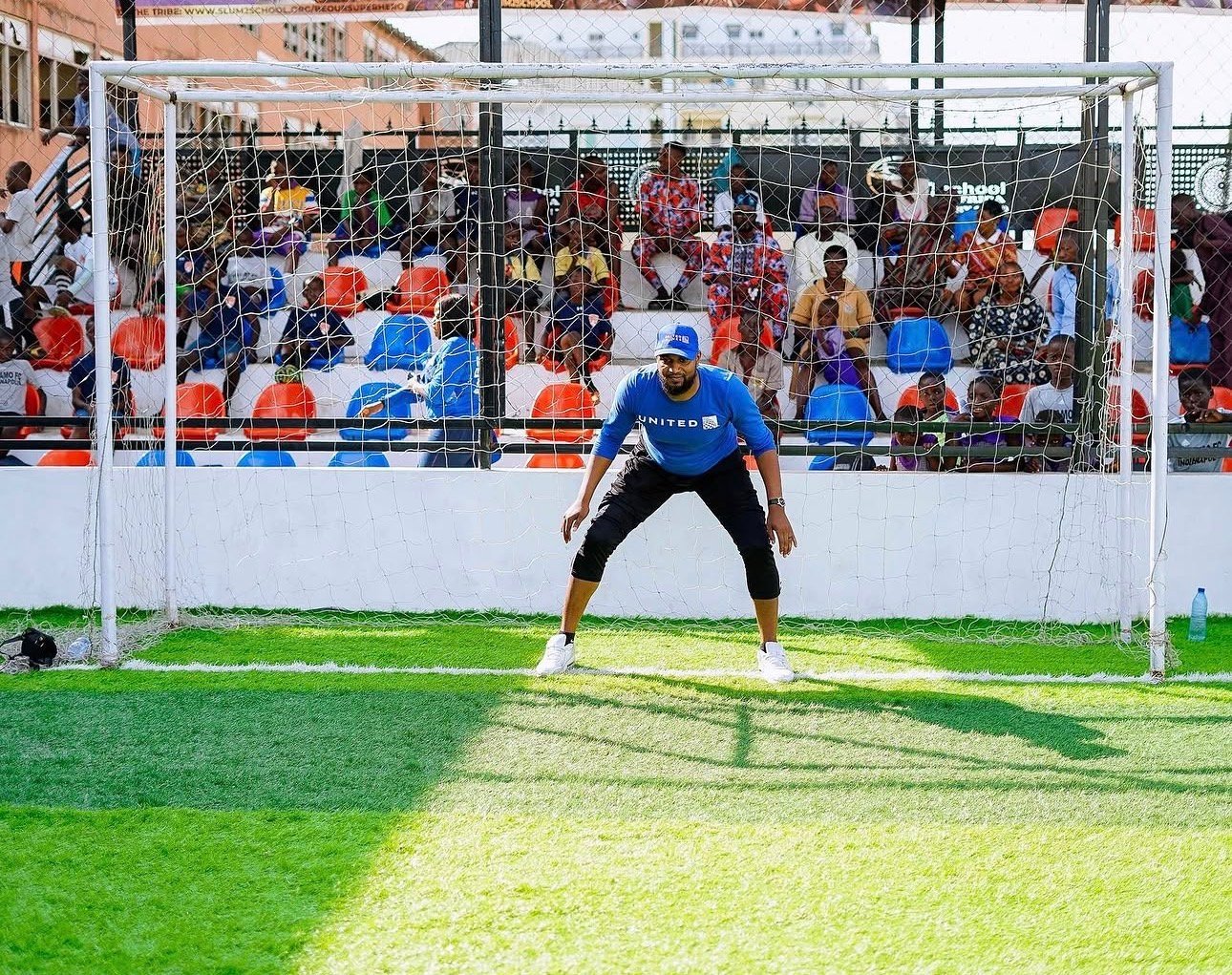
A little over a month into wearing that big-ass cast after snapping the growth plate in my wrist. Second play of the football game, last game of the year. A winless season at that. Carted off the field — Immediately in an ambulance to the hospital. A quick shot of morphine, then boom, emergency surgery — in that order. While, all of my friends were preparing basketball season, I was stuck on the sidelines — sick as hell.
Up until that point, sports had been my entire world. Every friendship. Every goal. Every AAU weekend. Each conversation somehow found its way back to a game, a practice, or a tournament. Being an athlete wasn’t something I did — it was who I was, my entire identity wrapped into a jersey. Then in a split second, one freak accident and all at once, it was gone. While temporarily at the time, it felt permanent. I honestly never wanted to play football again. The only thing I could look forward to was December 4th — the day the cast was finally coming off. So when I heard Jaÿ-Z open his song, December 4th talking about his birthday, the song immediately pulled me in.
Then something out of body happened, I guess my musical ear evolved that day. Instead of hearing a rapper, you know.. just music. I heard a story from an artist. Hov wasn’t talking about albums, awards, or celebrity. He was talking about his mother. His neighborhood in Brooklyn and his upbringing. His mistakes in contrast to his successes. His transition from one life of moving cocaine into another, moving words and music. At fourteen years old, I couldn’t fully explain why it resonated with me — I just knew it did. In hindsight, I think it was the first time I realized that the most interesting thing about an athlete, artist, or public figure wasn’t what they did. It was who they were when they weren’t doing it — that’s where the magic was.
The rest of The Black Album became the soundtrack to my recovery and lowkey to my life at the time.
What More Can I Say.
Encore.
Dirt Off Your Shoulder.
99 Problems.
Them shits are still classics in 2026. But the song that stayed with me forever was Moment of Clarity. Maybe it was the production. Maybe it was because he sounded more transparent than usual. Or possibly, it was because of the philanthropic bars that would become my blueprint (pun intended):
“I can’t help the poor if I’m one of them — So I got rich and gave back, to me that’s the win-win.”
Jaÿ-Z – Moment of Clarity
I could relate. For young Black athletes, there’s almost always an unspoken responsibility to give back. Take care of your family. Reach back for your community. Make sure the people who helped you get there can feel your success too. Those lines hit me differently and more deeply than any other song. I didn’t know it then, but they would shape how I thought about success for the next twenty years.
From high school through college, I listened to Moment of Clarity before almost every game I played or major moment in my life. Back then, I thought I was listening because it motivated me. Now I realize I was listening because it challenged me. It was forcing me to think about something bigger than sports, bigger than my current life. And that was a problem. Because once football and basketball were temporarily removed from my life, I wasn’t entirely sure what was left. That’s what that broken wrist exposed most.
My Identity.
I had spent so much time becoming an athlete, studying, embodying everything that comes with it; that I had never stopped to figure out who I was outside of the game. Thinking on it now, my mom definitely saw it before I did. At times, she would to get on me because every book I checked out from the library had something to do with sports. Every magazine. Every newspaper clipping. If it wasn’t sports — I wasn’t interested. At least that’s what I thought.
It was always the storytelling, sports just happened to be my favorite subject at the time.
Around the same time as my wrist injury, media, journalism and photography became passions of mine. Lowkey, you couldn’t tell me shit about Stuart Scott. A Black man with unmatched swag and storytelling ability. He made sports feel bigger than the games themselves. Innovation in its purest form. In addition to SportCenter, I gravitated toward magazines and newspapers. SLAM. Sports Illustrated. Writers like Mike Wilbon, Scoop Jackson, and Bomani Jones. They weren’t just covering sports — they were covering culture, racial influence, community, and the humans behind the performances. I was becoming just as interested in the stories as I was the athletes themselves.
It was instant impact. I’m not even sure when it started, but I read three sections of my local newspaper every single day before school. Front-page stories: Usually what was happening nationally and the top local stories. Sports, obviously. Then, the Community section — a weird combination for a teenager. Most kids my age could tell you who scored the most points the night before. I wanted to know that too, the box score is still my first stop; but I also wanted to know what was happening in the world around me.
Staying tapped into the local community helped me land my first real creative opportunity. Through a summer arts program in Racine, I spent two years walking around with a 35mm camera around my neck, learning photography, developing film in a dark room, and seeing my city through a different lens. I was in love with capturing a moment in time that only you were there to experience. At the time, I didn’t fully appreciate it — sports still occupied most of my attention. I put my camera down for over a decade before I would reignite my hobby.
Damn, writing this I’m realizing that it was another clue.
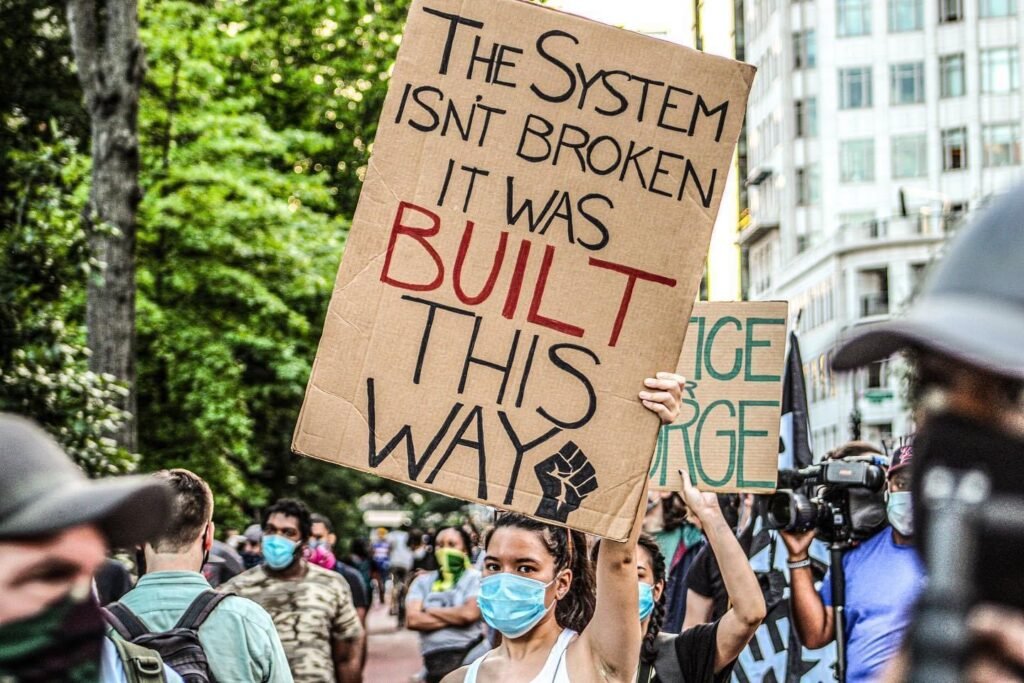
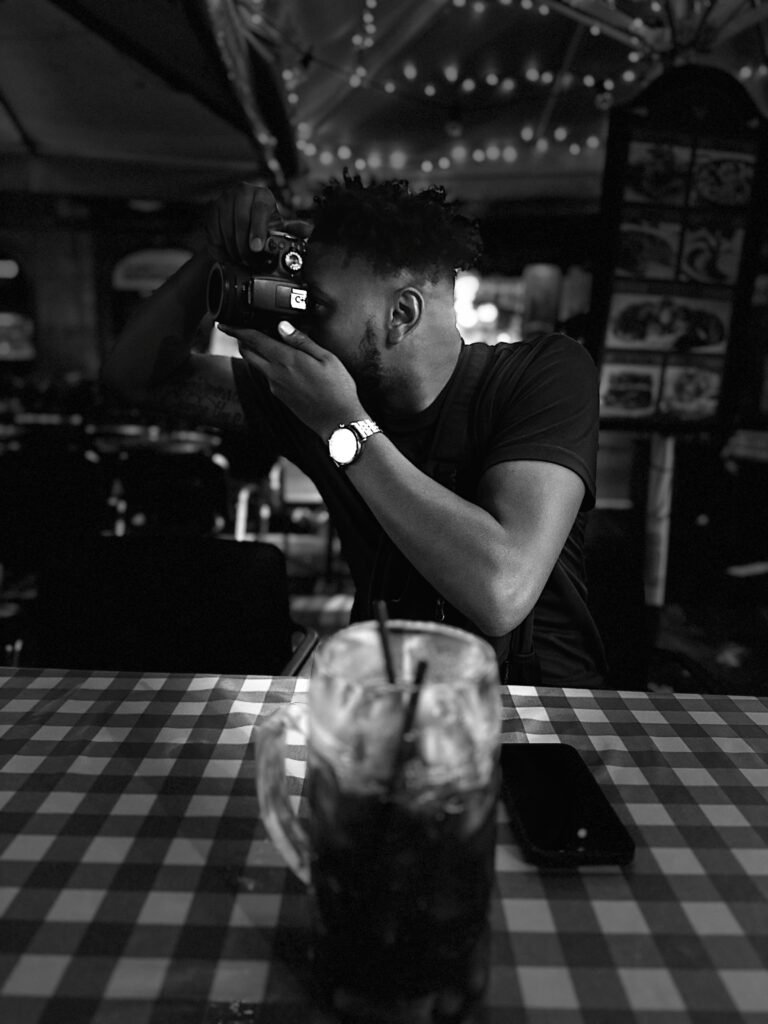
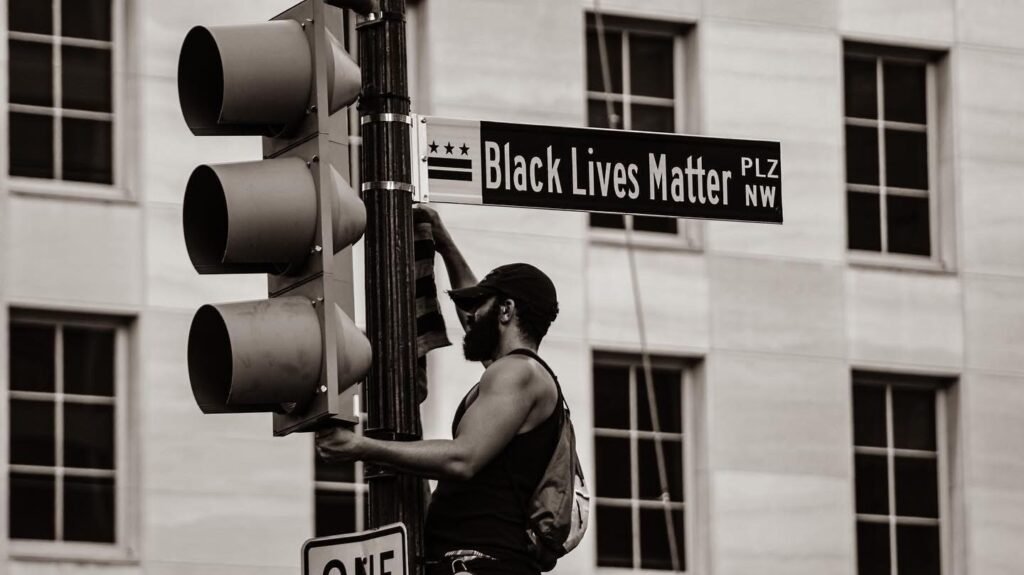
That mindset followed me throughout high school. Ironically, one of my favorite classes had nothing to do with sports: Mass Media. Every day we’d come into class and discuss what was happening in the world. Newspaper articles. Television coverage. Headlines. The way reporters framed stories. The way audiences interpreted them. I enjoyed those conversations as much as I enjoyed talking sports — I’ve always been fascinated by perspective. One day, my grandma ended up on the front page of the Journal Times, the local newspaper. She had gotten into an altercation with her then-husband at divorce court — ironically in the elevator (iykyk).
Boy, my classmates lit her ass up in class.
The article didn’t identify her due to laws. The photo didn’t clearly show her face. Nobody in that room knew it was my grandmother, except me and my blickity black teacher. I know she brought this topic to us on purpose to see if I could remain unbiased.
Yet everybody had an opinion.
Some thought she was wrong. Some thought she was out of control. Some leaned into the angry Black woman narrative. Some thought she should’ve handled things differently.
I just sat there listening. Nobody knew her — couldn’t pick her out of a lineup. Nobody knew what led up to the incident. What happened before the photographer showed up or what happened after. They had a photograph and a few paragraphs. And that was enough to paint a picture.
I never forgot that experience.
A few years later, social media would make that reality even more obvious. People form opinions every day based on a photo, a headline, a quote, or a thirty-second clip.
I left high school without a plan. I attended a JuCo, chasing a scholarship that never came. I lost a teammate to gun violence over my first Christmas break and I wanted to pursue communications but at the time, I knew damn well I didn’t want to be in anyone’s newsroom. I remember being terrified to think about what life would be without sports.
So, I didn’t. I just reframed my vision. After college, I accepted a sales role with the Milwaukee bucks. In my head, I’d start in sales and grow into something that was more aligned with marketing and promotions. Then I met Skip Robinson. If you are in Milwaukee and know Skip, you know you’ll hear him before you see him. My mans is loud, but his aura was legit. Always with the players and their families. In the mix of everything community related. I vividly remember asking myself “Who the fuck is this man and how does he have a personal relationship with the entire roster?”
As Director of Community Engagement, he wasn’t around the office much — but his assistant was. I talked to her daily, learning about her, her path, Skip, the community engagement program. I forgot my role was sales, I wasn’t selling a thing! When Skip and I finally crossed paths, he gave me the blueprint in a few words.
“You have to learn nonprofits inside and out” he said — and that’s exactly what I did.
What followed wasn’t a straight line. It was nearly fifteen years of experiences that taught me how impact actually works.
I spent time with first-generation college students trying to change the trajectory of their families. Raised money for families navigating cancer. Engaged corporate volunteers looking for ways to create meaningful change in their communities. Led athlete-driven hosting activations in communities that raised them. All Different missions. All Different organizations. — But the lesson was always the same. The people creating the most meaningful impact rarely looked like the headlines.
Over time, I realized something else.
The same curiosity that made me study sports as a teenager was showing up everywhere in my career. I wasn’t interested in titles. I never cared about press releases. I wasn’t interested in the version of people that showed up in marketing campaigns.
I wanted to understand what shaped them. The mentor who changed their lives. The neighborhoods that raised them. The losses that redirected them. The responsibilities and weight they feel to give back and show up for their communities. My work has taken me all over the world, meeting people that have completely different backgrounds.
The more experience I gained, the more I appreciated how much of a person’s story exists outside the frame. Looking back, that realization had been following me my entire life.
It was there when I sat on the sidelines with a broken wrist listening to Jaÿ-Z tell stories that were bigger than music. It was there when my classmates formed opinions about my grandmother from a photograph and a few paragraphs. It was there when I walked around Racine with a camera around my neck trying to capture moments that other people overlooked. It was there when Skip Robinson challenged me to understand community before chasing a career in social responsibility.
I just couldn’t see the connection yet.
Years later, sitting in that apartment in DC, I accidentally photographed it.
Sports. Storytelling. Community.
Three interests I spent most of my life treating as separate lanes. In reality, they were all leading me to the same place. I was labeled a ‘GOOD Athlete’ early-on. Yet, I never played Division-I, professionally, and ultimately, I never became the athlete I once imagined I’d be.
What I did become was a student of the people, experiences, and communities that shape sports figures long before the spotlight finds them. I’ve spent years inside locker rooms, nonprofits, classrooms, boardrooms, volunteer events, community centers, and conversations that rarely make headlines.
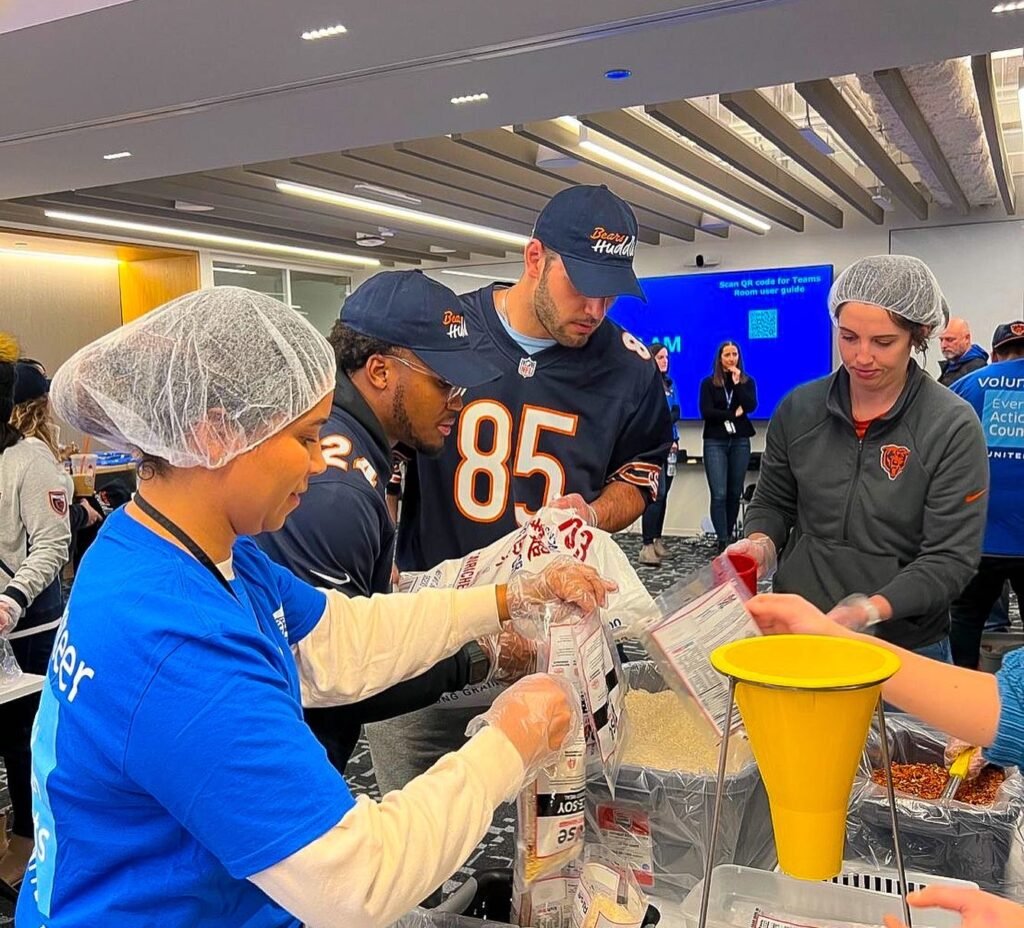
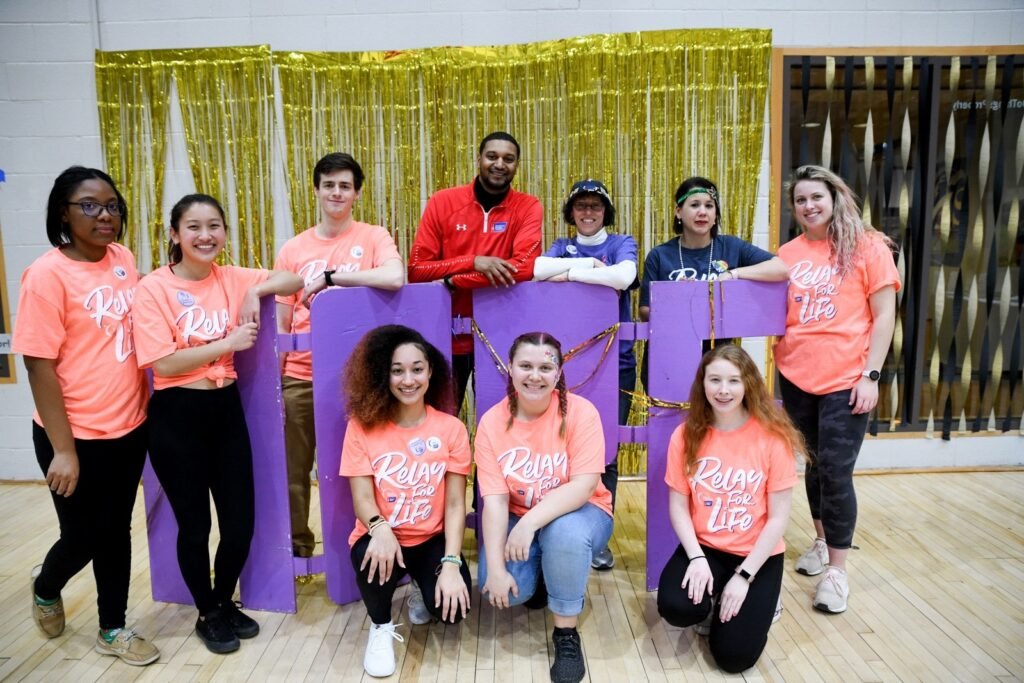
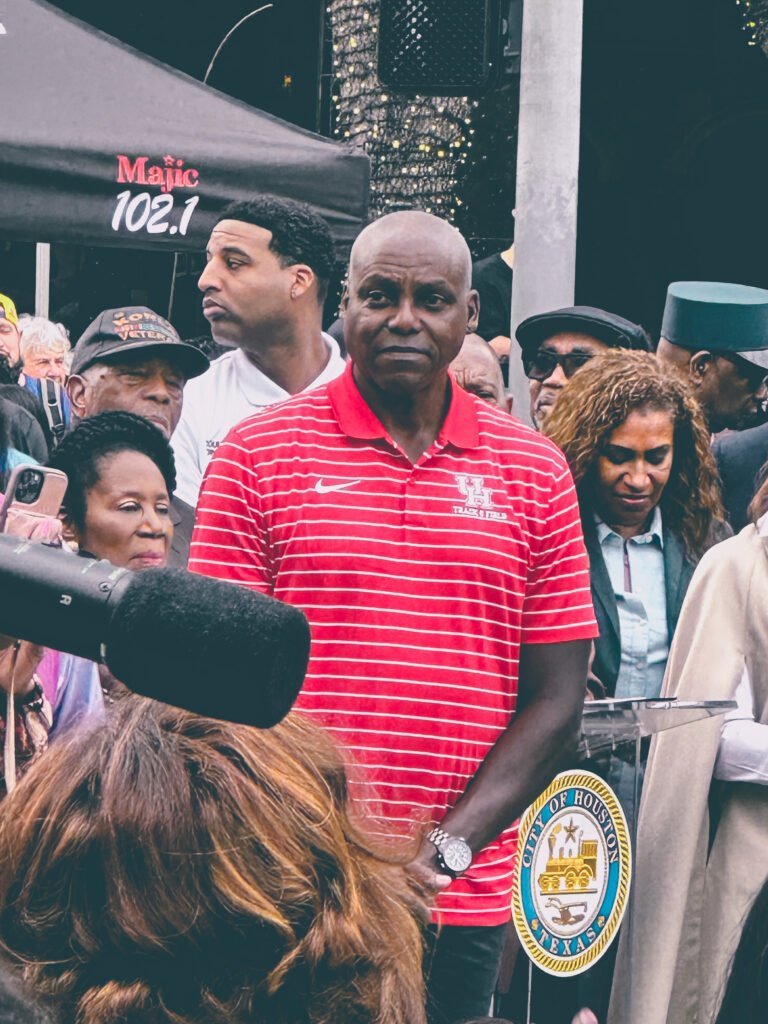
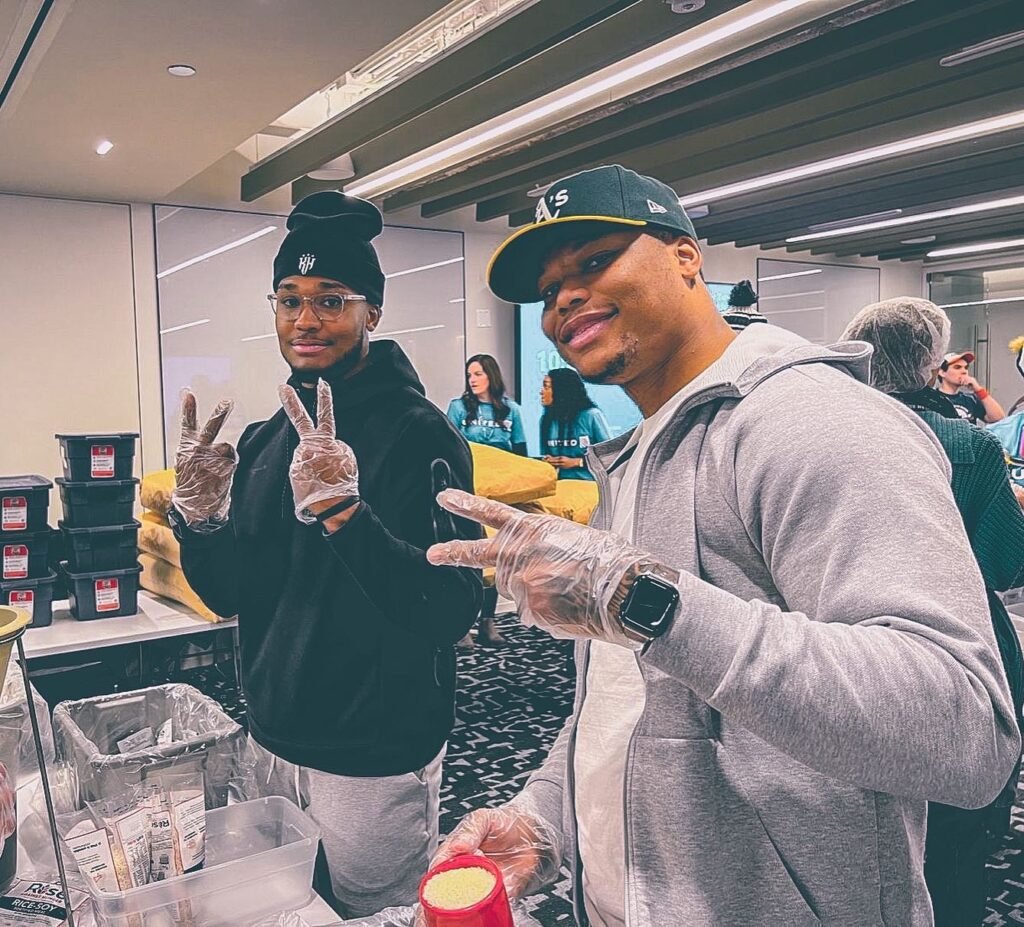
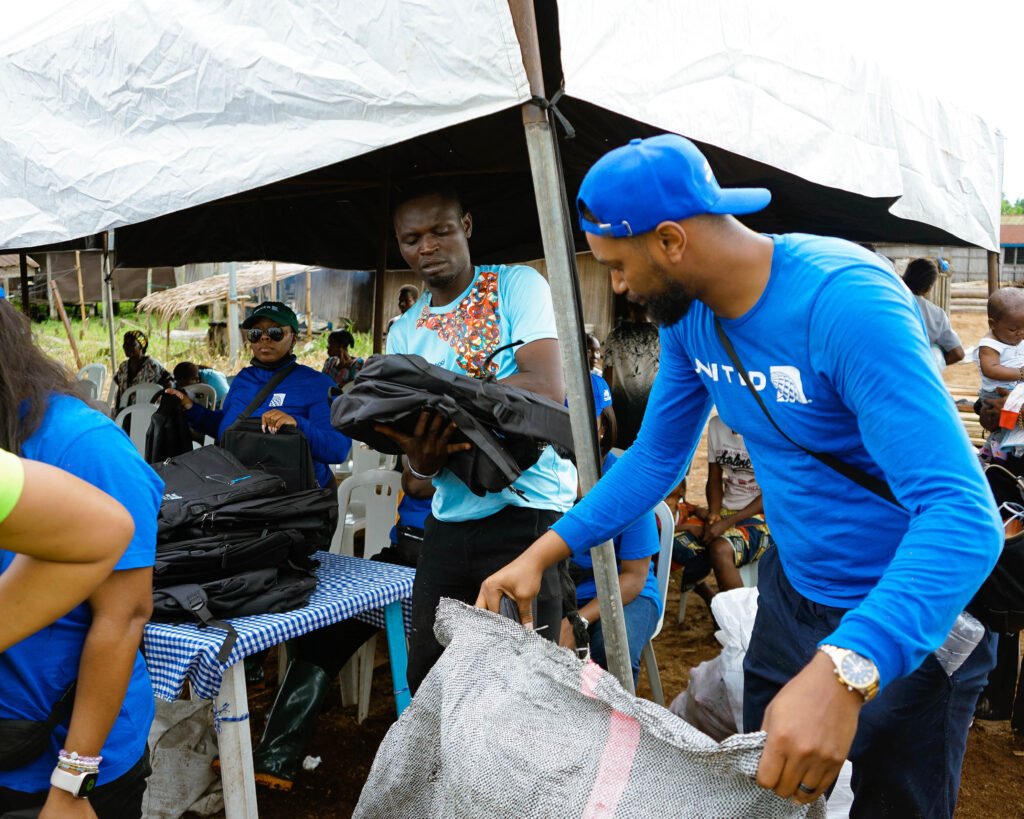
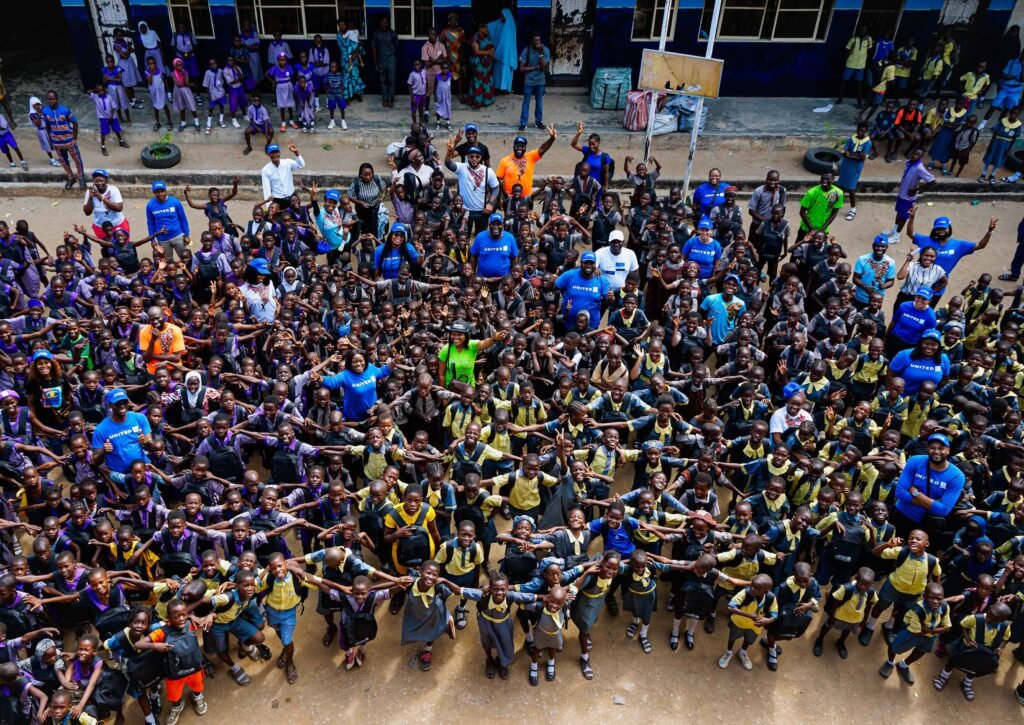
I’ve seen what happens when athletes use their platform with purpose. I’ve experienced the impact that one mentor, one coach, one opportunity, or one act of service can have on an entire community. GOOD Athletes wasn’t born from a business plan. It was born from that intersection.
A lifelong love of sports.
A fascination with storytelling.
And a career dedicated to community and social impact.
Most people already know what athletes do. I’m interested in understanding who they are. The experiences that shaped them. The communities that built them. The reasons they choose to give back. Because the more I learn, the more convinced I become that the most meaningful parts of a person’s story exist outside the frame. These are the stories you’ll find here. These are the conversations worth having. These are the stories I believe deserve to be preserved.
Welcome to GOOD Athletes. Purpose Plays Here.